ReExperience
Essence & Poetry
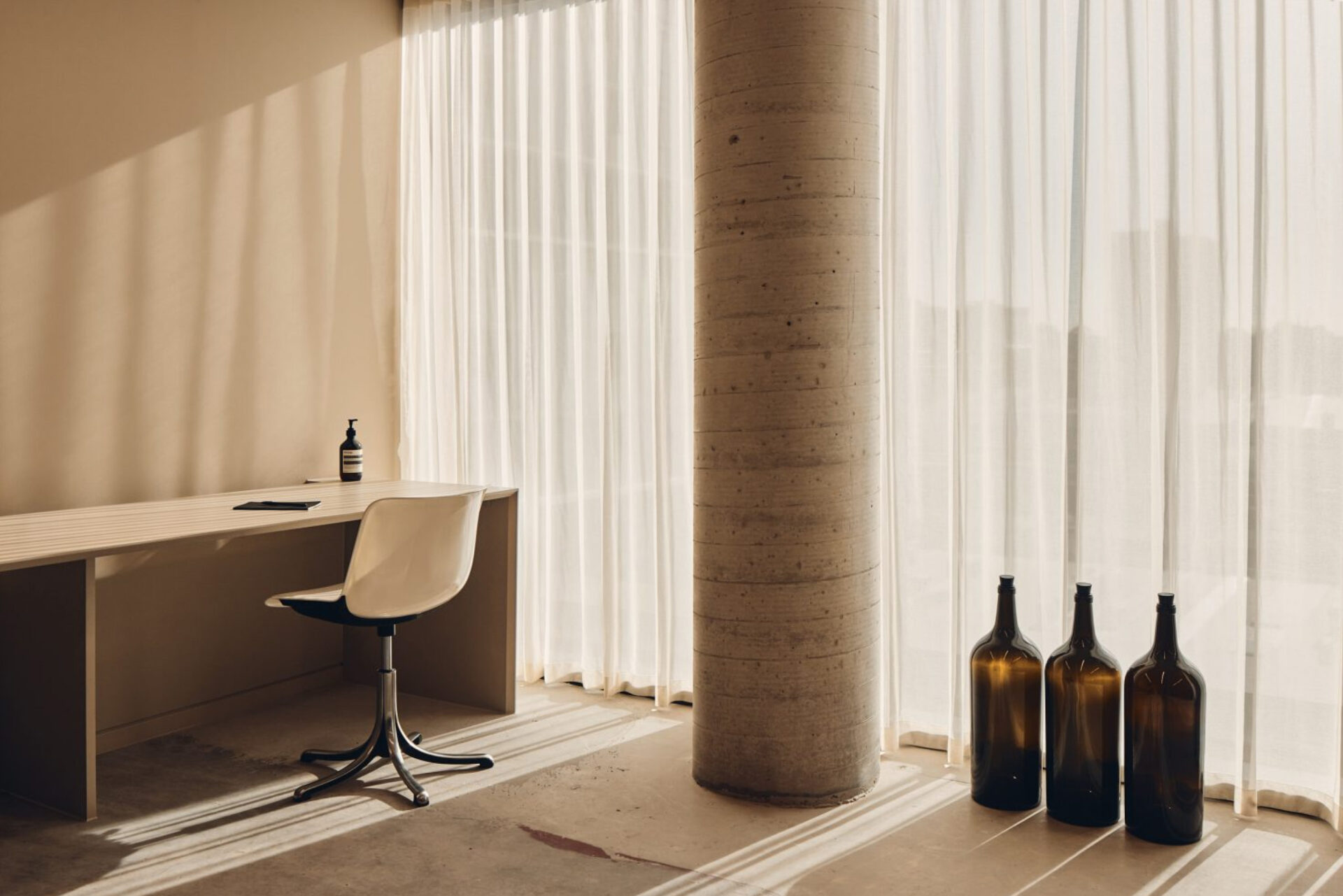
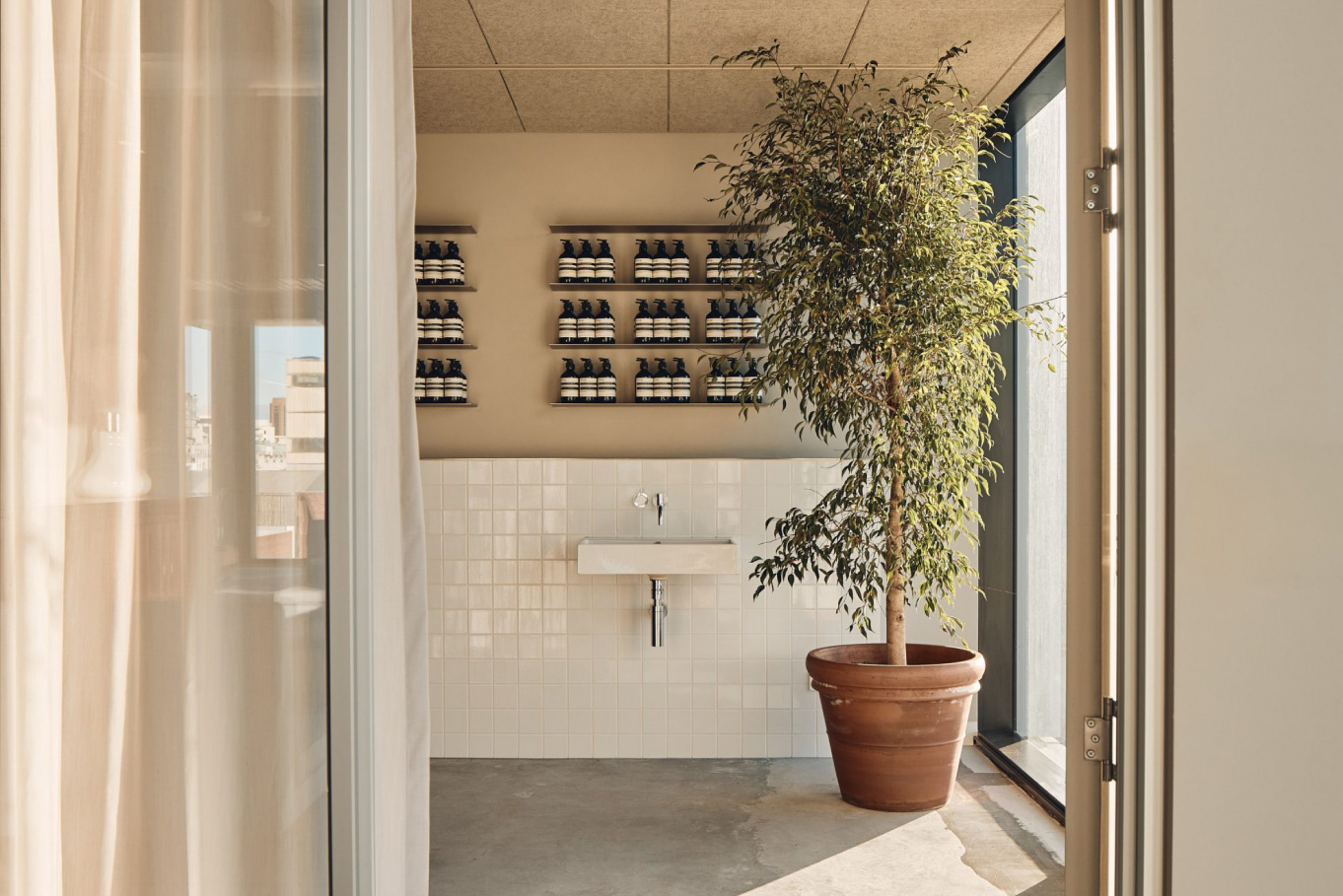
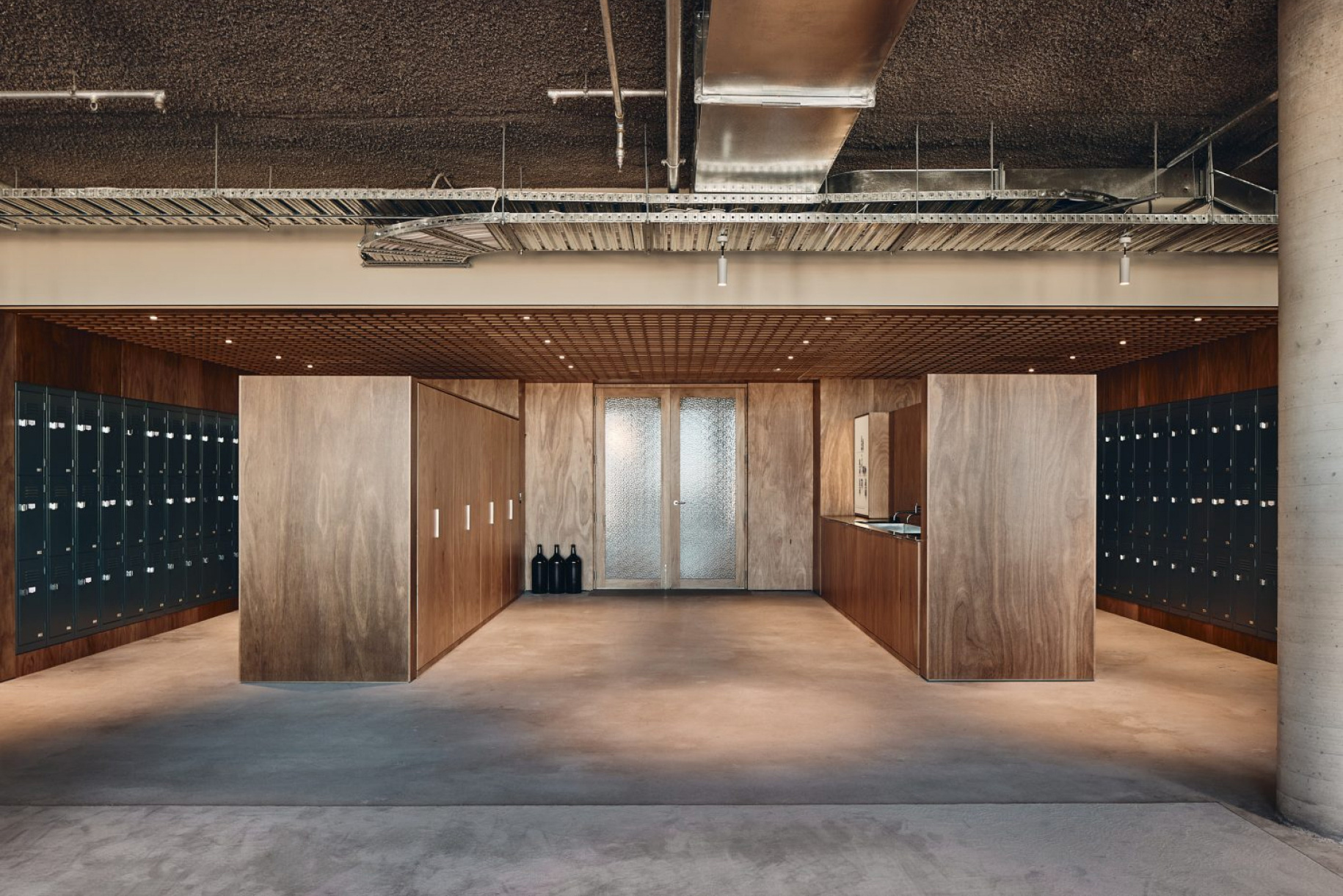
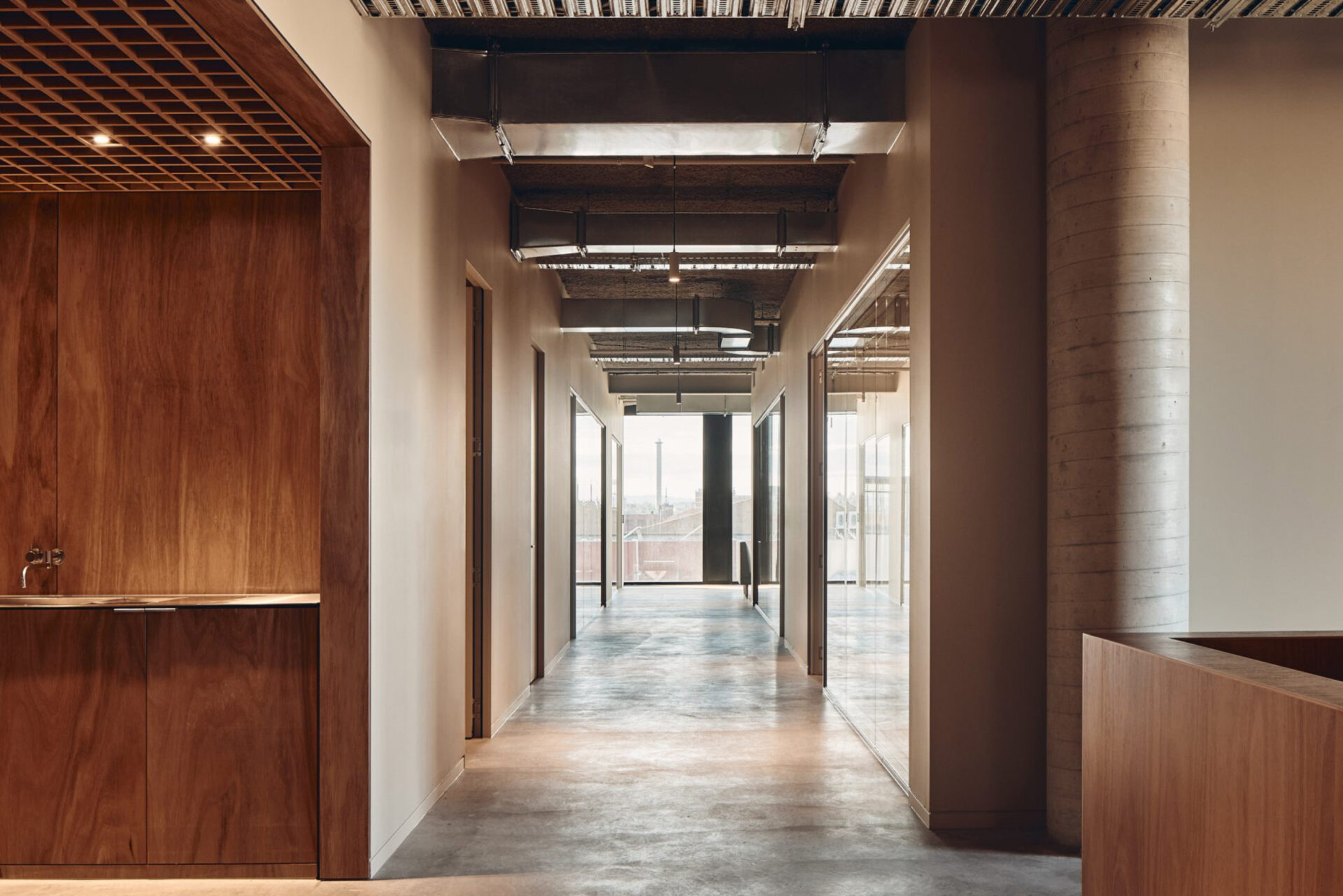
Aesop ritual and culture is the heart of their business and the values they hold ring true in the experience of their workplace.
P02/23, Aesop LAB, Client: Aesop, year completed: 2023, Scale: 1950 sqm, Sector: Workplace, Team: Rebecca Trenorden (Experience at Carr)
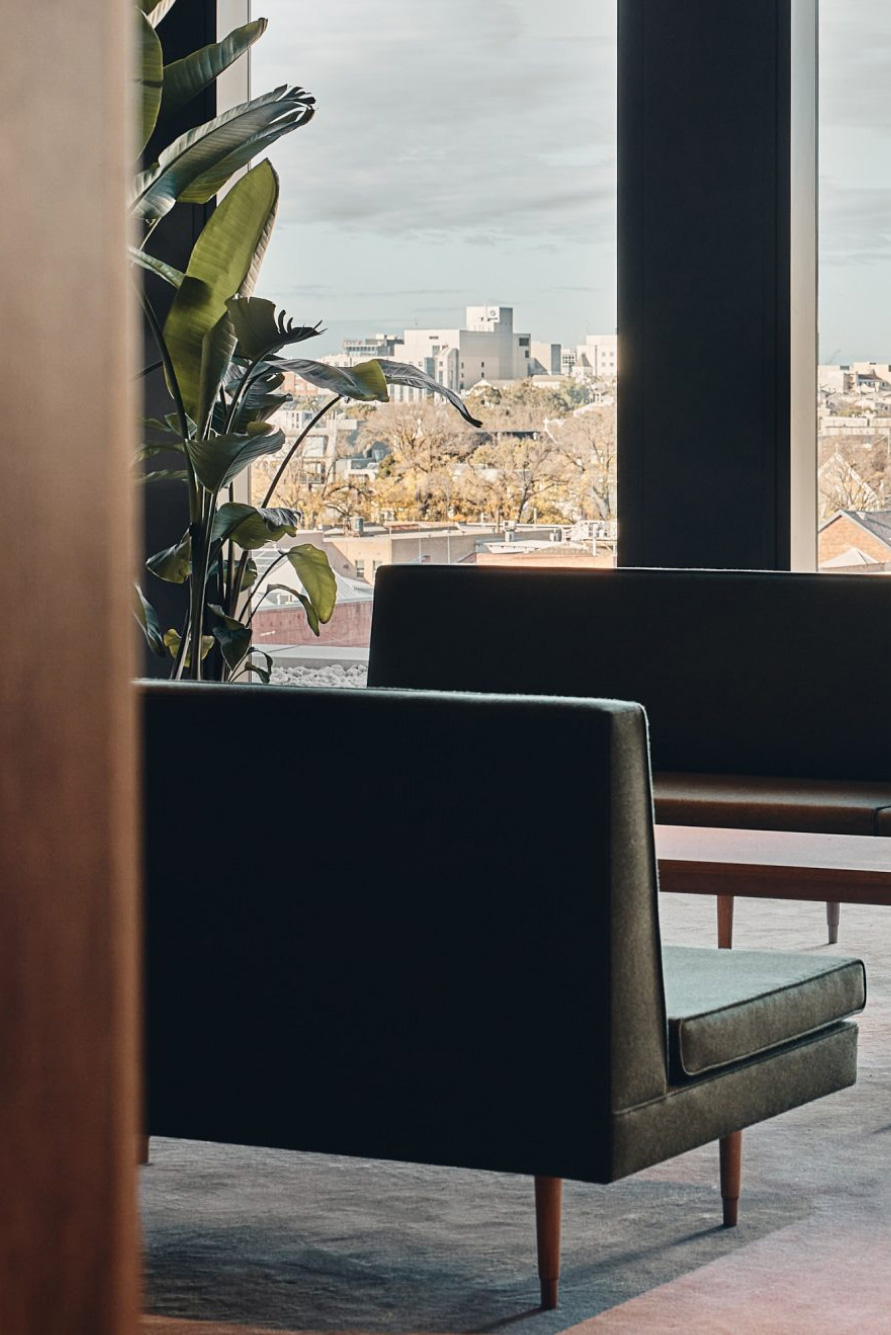
Aesop ritual and culture is the heart of their business and the values they hold ring true in the experience of their workplace. Melbourne is regarded as the home of Aesop, particularly in Collingwood amidst it’s concrete jungle. From a series of warehouses, Aesop moved into a commercial building but wanted to retain the heritage of simplicity, encouraging our philosophy of “pare it back to the essence but don’t forget the poetry” (Leonard Koren). This led to a place that is beautifully balanced between rich timbers, raw concrete, linen curtains and stainless steel, detailing and gestures that are uncluttered and a place that proves to be honest, low-impact, functional and elegant.

Research
How can we experience essence and poetry in a workplace?
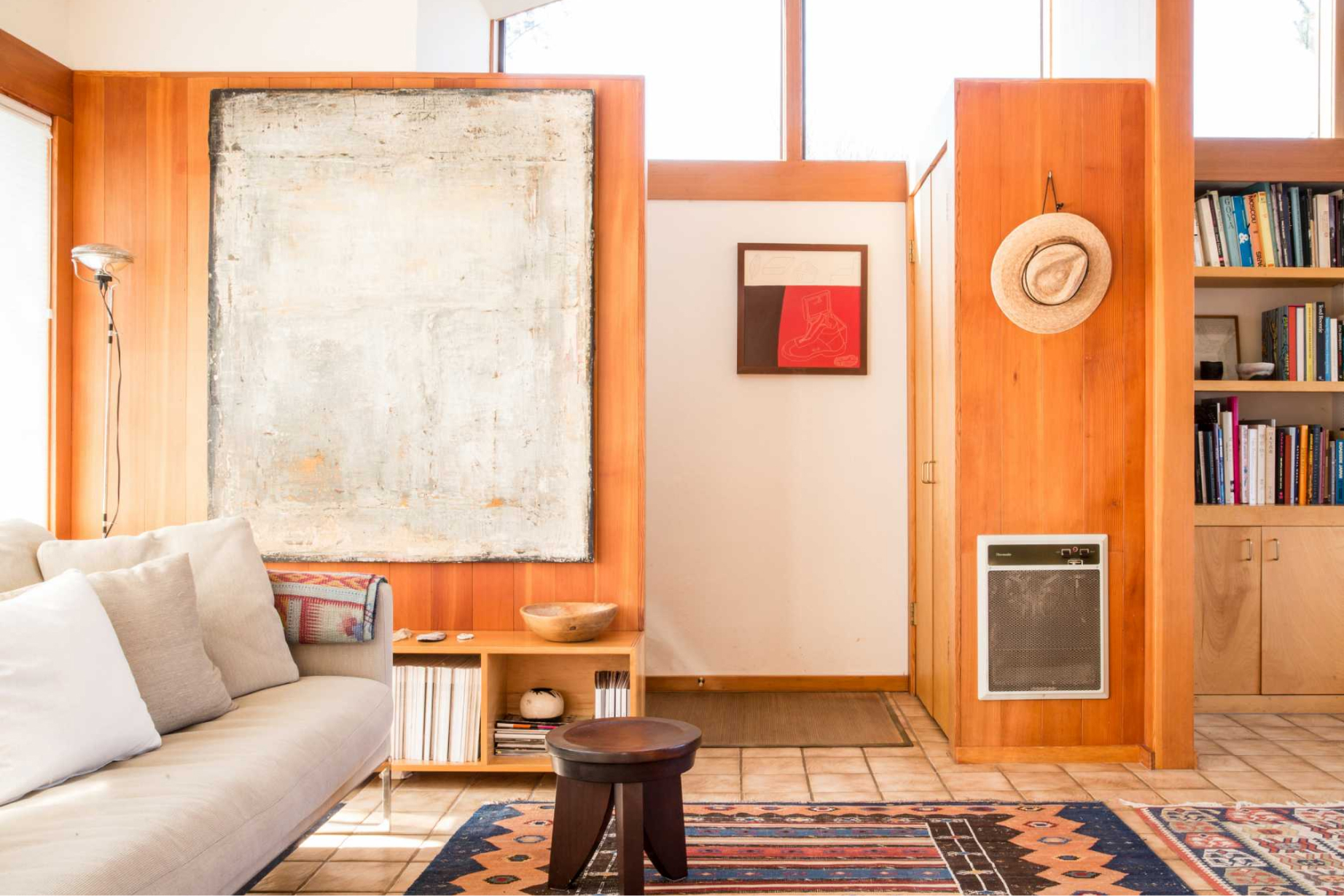
“Pare it back to the essence but don’t forget the poetry”
Leonard Koren in conversation →
LEONARD KOREN WAS THE FOUNDER and creative director of WET Magazine, which was published in Venice, California from 1976 to 1981. Its unusual subject matter — gourmet bathing as well as other esoteric topics — combined with its distinctive layout and design, made WET remarkable. I was a WET subscriber and the magazine’s wit, depth, and style helped me get through the doldrums of the late 1970s.
Among the contributors were Matt Groening in his pre-Simpson days, Ed Ruscha, Leonard Cohen, Eve Babitz, and Lewis MacAdams. There were riveting interviews with Kenneth Anger, David Hockney, Dick Dale and Elvis Costello; and there were articles on unusual people including Henry Darger, Robert Smithson and Nikola Tesla. The best pieces were the most recondite — they covered such topics as psychic surgery in the Philippines, gourmet bubbles, insect erotica and the eternal nature of coffee. Getting WET was bliss. (Los Angelese Review of Books).
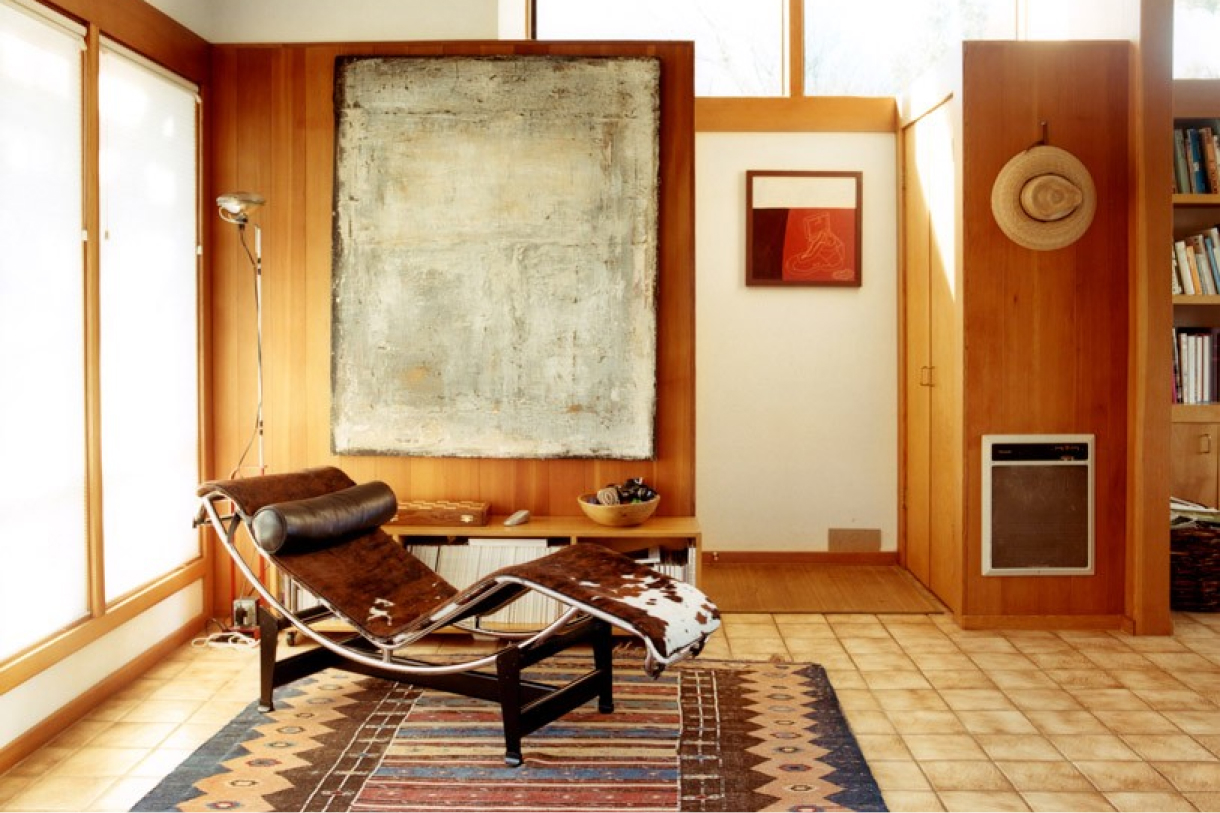
Leonard Koren: When I was in college, as an undergraduate, I thought there must be more to life than accumulating money and buying things. I found myself, at about twenty-one-years-old, at the Tassajara Zen Mountain Center. This was a year or two after the San Francisco Zen Center had purchased it, and they were building a kitchen and doing a lot of remodeling work. A friend of mine also showed up there and they put us to work. They said that we could meditate if we wanted to, or not, and we could spend time in the baths. So we worked for three or four days and then I decided to try the Zazen. At the time I was smoking cigarettes, which I did for about three years.
(Excerpt from Making WET: The Magazine of Gourmet Bathing)